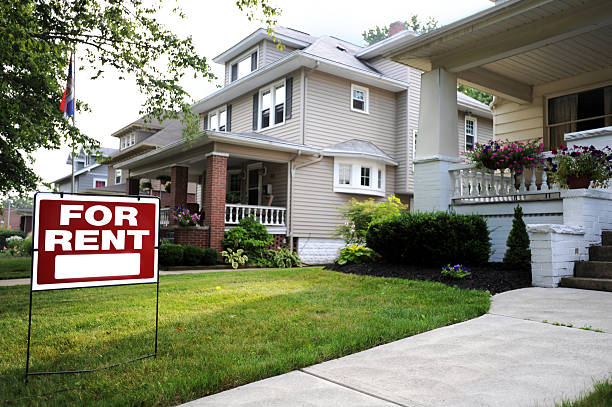
What You Need to Know About Rental Properties
An individual or organization owns rental properties and leases or rents them out to tenants.These properties can be residential, such as apartments or houses, or commercial, such as office buildings or retail spaces. The owner of the property is responsible for maintaining the property and collecting rent from the tenants. The tenants, in turn, are responsible for paying rent on time and following the terms of the rental agreement.
Advantages of Rental Properties
There are several advantages to owning rental properties, including the potential for passive income, the opportunity to earn a return on your investment, and the ability to generate income from an asset that you own. Additionally, owning rental properties can provide a sense of security and stability, as you have control over the property and can also choose the tenants who will live there.
Disadvantages of Rental Properties
There are several potential disadvantages to owning rental properties. Some of these include:
High upfront costs
Moreover, buying rental properties can be expensive, as you will typically need to put down a large down payment and pay closing costs. This can be a significant barrier to entry for many people.
Maintenance and repairs
As the owner of a rental property, you are responsible for all maintenance and repairs on the property. This can be costly and time-consuming, especially if you have multiple properties.
Tenant issues
Finding and managing good tenants can be difficult and time-consuming. You may have to deal with late rent payments, property damage, or other issues.
Legal risks
There are many legal regulations that apply to rental properties, and failing to comply with these regulations can result in fines or other legal consequences.
Limited liquidity
Rental properties are typically not very liquid, which means it can be difficult to sell them quickly if you need to.
Overall, owning rental properties can be a profitable venture, but it also comes with a number of potential drawbacks that you should be aware of before making the decision to invest in this type of residential property.
Types of Rental Properties
There are several types of rental properties, including:
- Landlords rent out single-family homes to one or more tenants.
- Multi-family homes: These are properties that contain multiple units, such as duplexes, triplexes, and apartment buildings.
- Individual owners own condos, which are part of a larger building or complex with shared amenities.
- Commercial properties include office buildings, retail spaces, and warehouses, and businesses use them for various purposes.
Each type of rental property has its own unique characteristics and may be suitable for different types of tenants. For example, a family with children may find a single-family home a good option, while a young professional or couple may prefer a townhome as a better fit.A commercial property, on the other hand, may be more suitable for a business owner looking to rent space for their company.
The Cost of Building Rental Properties
The cost of rental property construction varies with location, size, property type, materials, and labor expenses. Potential landlords should thoughtfully assess budget and financing options before embarking on a rental property project, a substantial investment. Consider consulting a real estate pro or contractor for precise estimates and guidance on your project.
Mistakes To Avoid When Building Rental Properties
There are several common mistakes that people make when building rental properties. Some of these include:
Not conducting thorough market research
It’s important to understand the local rental market before building a rental property. This will help you determine the type of property that will be most in demand, as well as the rental rate you can expect to charge.
Not considering the needs of tenants
When designing a rental property, it’s important to consider the needs and preferences of potential tenants. This includes things like the number of bedrooms and bathrooms, the size of the living spaces, and the availability of amenities like parking and storage.
Not budgeting properly
Creating a realistic budget for a rental property build considers all associated costs in this significant investment. This includes materials, labor, and also any necessary permits or inspections.
Not working with experienced professionals
To build a rental property successfully, partner with experienced professionals to ensure timely, on-budget project completion. This includes architects, contractors, and property management firms.
Not properly maintaining the property
Once you build a rental property, you must properly maintain it to attract and retain tenants.This includes regular inspections and repairs, as well as keeping the property clean and well-maintained.
Conclusion
As an investor you can look for a property for sale in Kenya and also invest in rental properties and get passive incomes.