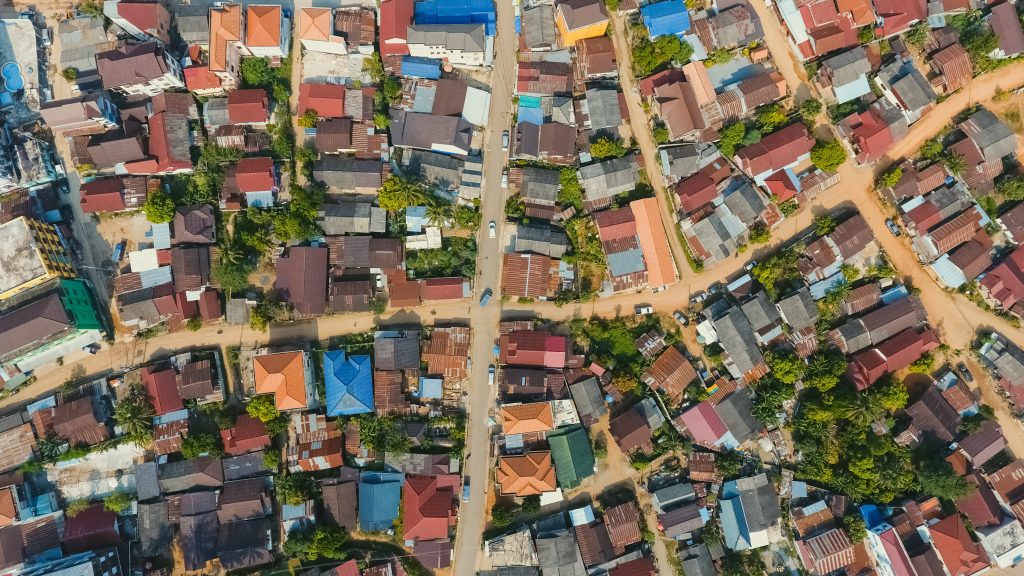
Affordable Housing in Kenya
Unlock budget friendly strategies for affordable housing in Kenya.
1.The importance of affordable housing in Kenya.
Affordable housing in Kenya is critical for several compelling reasons:
Social Stability
Affordable housing fosters stable communities in Kenya by ensuring that a significant portion of the population has access to secure and comfortable homes. This stability, in turn, contributes to social cohesion and also community well-being.
Economic Growth
Accessible housing options empower individuals to allocate more resources to education, healthcare, and also entrepreneurship. This, in the long run, enhances the overall economic productivity of the nation.
Poverty Alleviation
Affordable housing plays a pivotal role in poverty reduction by providing families with a foundation for improved living conditions in Kenya. Furthermore, when housing costs are manageable, households can allocate funds towards other essential needs, breaking the cycle of poverty.
Urban Development
As urbanization accelerates, affordable housing becomes crucial for sustainable urban development. It addresses the challenge of housing the growing urban population while preventing the emergence of slums and informal settlements.
Health and Well-being
Affordable housing directly impacts health outcomes. Adequate housing ensures better living conditions, reducing the prevalence of diseases associated with substandard living environments. This, in turn, leads to an overall improvement in public health.
Government Priorities
Governments benefit from prioritizing affordable housing as it aligns with broader development goals. It reflects a commitment to inclusive growth, poverty reduction, and also the well-being of citizens, contributing to a more equitable society.
Affordable housing is not just a matter of shelter; it’s a catalyst for social progress, economic development, and improved quality of life. Prioritizing affordable housing in Kenya is an investment in the nation’s future, fostering a resilient and thriving society.
2. Challenges people face in constructing homes and the need for cost-effective solutions.
In Kenya, individuals face numerous challenges when it comes to constructing homes, making the need for cost-effective solutions imperative. These challenges include:
High Construction Costs
The overall cost of construction materials, labor, and professional services can be prohibitive, making it challenging for many to afford decent housing.
Limited Access to Financing
Securing affordable and accessible financing options for home construction is a significant hurdle for a considerable portion of the population. High-interest rates and stringent lending criteria contribute to this challenge.
Land Prices
The cost of acquiring land in desirable locations is often exorbitant, posing a significant barrier to home ownership for many individuals and families.
Unstable Economic Conditions
Economic fluctuations and uncertainties can impact construction costs, making it difficult for individuals to predict and plan for their home building projects effectively.
Lack of Infrastructure
In some areas, inadequate infrastructure such as roads, water supply, and electricity can add to the cost of construction as individuals may need to invest in these basic amenities.
Inefficient Building Processes
Traditional building methods may be time-consuming and laborintensive, leading to increased construction costs. Efficiency in building processes is crucial for costeffectiveness.
Rural-Urban Migration
Rapid urbanization and the influx of people into urban areas contribute to the demand for housing, driving up construction costs and creating a housing deficit.
Regulatory Challenges
Complex and bureaucratic regulatory processes can lead to delays and increased costs in obtaining necessary permits for construction projects.
To address these challenges, cost-effective solutions are essential. These solutions may include
Alternative Construction Materials
Exploring and adopting alternative, locally available materials can significantly reduce construction costs.
Government Subsidies and Incentives
The government can provide subsidies, tax breaks, or other incentives to make housing more affordable for citizens.
Community-Based Approaches
Collaborative efforts within communities, such as group housing projects, can help reduce costs through bulk purchasing and shared resources.
Innovative Financing Models
Introducing innovative financing models, including microfinance options and community savings programs, can make it easier for individuals to access funds for construction.
Technology Adoption
Embracing technology in construction, such as prefabrication and modular building techniques, can streamline processes and reduce costs.
Addressing these challenges requires a multifaceted approach, involving government intervention, private sector innovation, and community participation to create sustainable, cost-effective solutions for home construction in Kenya.
3.Research and Planning
The significance of thorough research before starting the construction process.
Thorough research before embarking on the construction process is of utmost importance for several compelling reasons:
Cost Optimization
Research helps in identifying cost-effective materials, construction methods, and also suppliers. Understanding market prices and comparing options allows for better budgeting and also cost optimization, ensuring that resources are used efficiently.
Quality Assurance
Researching construction materials and methods enables homeowners to make informed decisions about the quality of materials used. This ensures that the final construction meets safety standards and also withstands environmental factors, enhancing the longevity of the structure.
Compliance with Regulations
Comprehensive research includes an understanding of local building codes, regulations, and permit requirements. This knowledge is crucial to ensure that the construction process complies with legal standards, avoiding costly delays and potential legal issues.
Environmental Considerations
Researching eco-friendly and sustainable construction practices allows individuals to make environmentally conscious choices. This not only contributes to global sustainability efforts but can also lead to long-term cost savings through energy-efficient design and materials.
Technology Integration
Staying abreast of technological advancements in the construction industry can lead to the adoption of innovative and efficient building techniques. Embracing technology can streamline the construction process, reduce labor costs, and enhance the overall quality of the project.
Understanding Market Trends
Researching current market trends in the construction industry helps homeowners make informed decisions about design aesthetics, architectural styles, and also popular features. This ensures that the constructed home aligns with contemporary preferences and also potential future resale value.
Risk Mitigation
Thorough research allows for the identification and mitigation of potential risks in the construction process. Whether related to geological considerations, market volatility, or regulatory changes, being informed helps in developing strategies to navigate challenges effectively.
Selection of Competent Professionals
Researching and selecting reputable architects, contractors, and other professionals involved in the construction process is crucial. This ensures that individuals with the necessary expertise and experience are entrusted with the project, minimizing the risk of errors and also delays.
Realistic Project Planning
Research aids in setting realistic timelines for the construction project. Understanding the average duration of similar projects and potential challenges allows for better project planning and also management.
Personalization and Customization
In-depth research enables homeowners to explore various design options, styles, and features that align with their preferences. This personalization ensures that the constructed home reflects the individual needs and tastes of the occupants.
In essence, thorough research lays the foundation for a successful and well-informed construction project. It empowers individuals to make strategic decisions, mitigate risks, and achieve a cost-effective, high-quality outcome that meets both their immediate needs and long-term goals.
How proper planning can help save costs in the long run.
Proper planning is a crucial element in saving costs in the long run during the construction process. Here are key ways in which effective planning contributes to cost savings:
Budgeting Accuracy
Thorough planning allows for the creation of a detailed and accurate budget. By anticipating costs for materials, labor, permits, and potential contingencies, individuals can avoid unexpected expenses that may arise during the construction process.
Resource Optimization
Planning helps in optimizing the use of resources, ensuring that materials are ordered in the right quantities, and there is minimal wastage. This efficient resource management directly translates to cost savings.
Timeline Management
Well-defined project timelines are a product of effective planning. Adhering to a realistic construction schedule minimizes delays, reducing associated costs such as extended labor and equipment rental expenses.
Risk Mitigation
Identifying potential risks and challenges during the planning phase allows for the development of strategies to mitigate these risks. This proactive approach helps in avoiding costly setbacks and ensures that the construction process progresses smoothly.
Selection of Cost-Effective Materials
Research and planning enable individuals to select materials that strike a balance between cost and quality. Furthermore, understanding the long-term implications of material choices ensures that durable and cost-effective options are chosen from the outset.
Competitive Bidding
Planning includes obtaining multiple quotes from suppliers and contractors. This competitive bidding process helps in securing the best prices for materials and labor, contributing to overall cost savings.
Energy Efficiency and Sustainability
Planning for energy-efficient features and sustainable practices, such as proper insulation and renewable energy sources, can lead to long-term cost savings through reduced utility bills and maintenance expenses.
Compliance with Building Codes
Proper planning ensures that the construction project complies with local building codes and regulations. Failure to comply can result in costly fines, delays, and also the need for modifications, all of which can be avoided with thorough planning.
Professional Expertise
Involving architects and engineers in the planning process ensures that the design is structurally sound and cost-effective. Their expertise can help in avoiding design flaws that may lead to expensive corrections during construction.
Contingency Planning
Effective planning includes the allocation of a contingency fund to address unforeseen circumstances. Having a financial buffer minimizes the impact of unexpected events on the overall project budget.
Lifecycle Cost Considerations
Planning involves evaluating the lifecycle costs of various building components. While certain materials or systems may have higher upfront costs, they might prove more cost-effective in the long run due to reduced maintenance and replacement expenses.
In summary, proper planning is a proactive approach that involves meticulous budgeting, resource optimization, risk management, and consideration of long-term cost implications. By addressing these aspects during the planning phase, individuals can navigate the construction process more efficiently and realize significant cost savings in the long term.
4.Budgeting
To create a realistic budget for your home construction, start by outlining all anticipated costs, including materials, labor, permits, and also contingencies. Research local market prices and obtain multiple quotes. Factor in unexpected expenses with a contingency fund, approximately 10-20% of the total budget. Be diligent in estimating realistic timelines to minimize unforeseen costs. Regularly review and also adjust the budget as needed throughout the construction process to ensure financial transparency and control. cost-saving tips and alternatives for various construction materials.
Recycled Materials
Explore recycled or reclaimed materials for construction, such as reclaimed wood, recycled steel, or recycled glass. These materials can be more affordable and environmentally friendly.
Alternative Foundations
Consider cost-effective foundation options like gravel or pier foundations instead of traditional concrete foundations.
Prefab and Modular Construction
Prefabricated and modular construction methods often result in cost savings due to streamlined processes, reduced labor, and materials wastage.
Local and Indigenous Materials
Use locally sourced materials, as they are often more affordable and can reduce transportation costs.
Engineered Wood Products
Opt for engineered wood products like laminated veneer lumber (LVL) or oriented strand board (OSB) as cost-effective alternatives to traditional lumber.
Energy-Efficient Windows
Invest in energy-efficient windows that may have a higher upfront cost but provide long-term savings through reduced heating and cooling expenses.
High-Quality Insulation
While insulation is crucial, consider high-quality options that may have a slightly higher upfront cost but lead to significant long-term energy savings.
Alternative Roofing Materials
Explore alternatives to traditional roofing materials, such as metal roofing or asphalt shingles, which can offer durability and cost savings.
Precast Concrete
Consider precast concrete components for certain structures, as they can be more cost-effective and also reduce construction time.
DIY and Sweat Equity
Undertake certain tasks yourself or with the help of friends and family to save on labor costs. However, ensure that DIY efforts adhere to safety standards.
Bulk Purchasing
Buy construction materials in bulk to take advantage of discounts and reduce the overall cost per unit.
Alternative Wall Finishes
Instead of expensive finishes, explore cost-effective alternatives like paint, wallpaper, or paneling to achieve the desired aesthetic.
Reconsider Flooring Choices
Choose cost-effective flooring options like laminate, vinyl, or stained concrete instead of high-end materials like hardwood or marble.
Comparison Shopping
Research and compare prices from multiple suppliers to get the best deals on materials.
Optimize Roof Design
Design roofs with simple configurations to minimize not only complexity but also reduce construction costs.
Remember to balance cost considerations with quality and long-term durability to ensure that your cost saving measures do not compromise the structural integrity or energy efficiency of your home.
The importance of sticking to the budget.
Sticking to the budget when purchasing construction materials in Kenya is paramount for several reasons:
Cost Control:
Adhering to the budget ensures strict control over costs during the material acquisition phase, preventing overspending and maintaining financial discipline.
Affordability
Kenya’s construction projects often cater to individuals with varying financial capacities. Sticking to the budget ensures that the overall cost of construction remains affordable, promoting inclusivity in homeownership.
Financing Alignment
Moreover, many construction projects in Kenya rely on financing. Staying within the budget ensures that the project aligns with available financial resources, minimizing the need for additional loans or credit.
Government Regulations
Adhering to budgetary constraints is often a requirement for compliance with government regulations and standards. This is particularly relevant in the construction industry, where adherence to guidelines is crucial for project approval and completion.
Sustainable Construction Practices
Budget adherence allows for the selection of cost-effective, sustainable construction materials. This supports environmentally friendly practices, aligning with global and also local efforts toward sustainable development.
Avoiding Delays
Straying from the budget can lead to financial constraints, causing delays in the construction timeline. Timely material procurement is critical, and also staying within budgetary limits helps prevent setbacks.
Quality Assurance
Sticking to the budget ensures that funds are allocated appropriately for high-quality construction materials. This is essential for constructing durable and safe buildings that meet or exceed industry standards.
Supporting Local Industries
Adhering to budget constraints often involves sourcing materials locally, supporting domestic industries. This contributes to the growth of the local economy and also promotes self-sufficiency in the construction sector.
Maximizing Government Incentives
Some government programs and incentives in Kenya are designed to support affordable housing projects. Sticking to the budget enhances eligibility for such incentives, reducing overall project costs.
Preventing Over-Indebtedness
In a context where over-indebtedness is a concern, adhering to the budget helps not only individuals but also project developers avoid taking on excessive debt to purchase construction materials.
Community Benefits
Projects that stick to the budget contribute to community development by ensuring that construction activities are financially sustainable and also provide tangible benefits to the community.
Strategic Planning
Budget adherence is a key component of strategic planning. It involves careful consideration of the costs associated with different materials, allowing for informed decision-making throughout the construction process.
Sticking to the budget when purchasing construction materials in Kenya is essential for financial stability, compliance with regulations, and the overall success of construction projects. It supports sustainable practices, enhances affordability, and contributes to the long-term development of the construction industry in the country.
5.Choosing the Right Location
How the location can impact construction costs.
The location of a construction project in Kenya can significantly impact construction costs due to various factors:
Accessibility
The accessibility of the construction site plays a crucial role. Remote or hard-to-reach locations may incur higher transportation costs for construction materials and labor, potentially leading to increased overall project expenses.
Infrastructure Development
The level of existing infrastructure in the area can affect costs. If the location lacks proper roads, utilities, and other essential infrastructure, additional investments may be required to facilitate construction, adding to the overall expenses.
Land Prices
Construction costs are influenced by the cost of acquiring land. In areas with high demand or prime locations, land prices tend to be higher, increasing the overall project budget.
Local Labor Costs
Labor costs can vary across different regions in Kenya. Areas with higher demand for construction labor or with a limited pool of skilled workers may experience higher wages, impacting construction costs.
Permitting and Regulatory Requirements
Different regions may have varying permitting processes and also regulatory requirements. Meeting these standards may involve additional costs, and the complexity of the local regulatory environment can affect the timeline and overall expenses of a construction project.
Climate and Environmental Conditions
The climate and environmental conditions of a location can also influence construction methods and material choices. In regions prone to extreme weather conditions, additional measures may be necessary, impacting costs.
Availability of Construction Materials
The proximity of construction materials to the site can affect costs. If certain materials need to be transported over long distances, transportation costs may increase, impacting the overall budget.
Security Concerns
In areas with security concerns, construction projects may incur additional costs for security measures, affecting the overall project budget.
Local Building Codes
Compliance with local building codes and standards is essential for any construction project. Different regions may have specific requirements, and also meeting these standards may involve additional costs.
Community and Social Considerations
The community and social dynamics of a location can impact construction costs. Moreover, projects in densely populated areas may require additional considerations for noise control, traffic management, and community engagement, potentially leading to increased costs.
Understanding these location-specific factors is crucial for accurate project budgeting in Kenya. A comprehensive analysis of the construction site’s characteristics and also its impact on various cost components allows for more informed decision-making and effective cost management throughout the construction process.
Tips on selecting affordable yet suitable land for building.
Selecting affordable yet suitable land for building is a crucial step in the construction process. Here are some tips to help you make an informed decision:
Define Your Budget
Clearly establish your budget for land acquisition. Consider not only the purchase price but also additional costs like taxes, fees, and potential development expenses.
Research Local Real Estate Market
Understand the local real estate market to identify areas where land prices align with your budget. Research recent sales, trends, and future developments in the region.
Consider Location
Balance affordability with location. Assess proximity to amenities, schools, transportation, and potential job opportunities. Factor in the overall livability and convenience of the area.
Check Zoning Regulations
Review zoning regulations and land-use plans to ensure the land is suitable for your intended purpose. Zoning restrictions can impact the type of structures you can build and affect the overall cost.
Infrastructure and Utilities
Assess the availability and proximity of essential infrastructure such as roads, water supply, electricity, and sewage systems. The cost of bringing utilities to undeveloped land can significantly impact your budget.
Topography and Soil Quality:
Evaluate the topography and soil quality of the land. Flat, well-drained land is generally more affordable to build on compared to steep or unstable terrain. Conduct a soil test to ensure it can support construction without expensive foundation work.
Check for Land Contaminations
Investigate the history of the land to ensure it is free from environmental issues or contamination. Remediation of contaminated land can be a costly affair.
Survey the Land
Conduct a land survey to accurately determine the boundaries and understand any potential encumbrances or restrictions on the property.
Future Development Plans
Inquire about any future development plans for the area. Upcoming infrastructure projects or zoning changes can affect property values and your long-term investment.
Negotiate
Be prepared to negotiate the purchase price. Moreover, research comparable land sales in the area and use this information to negotiate a fair price.
Consider Undeveloped Areas
Explore less developed or emerging areas where land prices may be more affordable. However, ensure there is potential for future growth and development in the region.
Land Size
Assess the size of the land in relation to your needs. Smaller parcels are generally more affordable, but they may have limitations on what you can build.
Consult with Local Experts
Seek advice from local real estate agents, surveyors, and other professionals who are familiar with the area. They can also provide valuable insights into the local market and help you make an informed decision.
By carefully considering these factors, you can identify affordable land that meets your needs and sets a solid foundation for your construction project.
6.Simple and Efficient Design
The importance of a simple and functional design.
Simple and functional design in construction is crucial for several reasons:
Cost Efficiency
Simple designs often require fewer materials and also labor hours, leading to lower construction costs. This cost efficiency is particularly beneficial for individuals or organizations working within a budget.
Ease of Construction
Straightforward designs are generally easier to construct. This can contribute to faster project completion, reducing the overall construction timeline and minimizing labor costs.
Maintenance and Repairs
Simple designs are often easier to maintain and repair. The absence of intricate features and also complex structures makes it more straightforward to address any issues that may arise, reducing long-term maintenance costs.
Energy Efficiency
Functionality in design can also incorporate energy-efficient features. Simple designs allow for practical integration of insulation, ventilation, and other energy-saving elements, resulting in reduced utility costs over time.
Adaptability
A simple design provides more flexibility for future modifications or expansions. It allows for easier adaptations to changing needs, ensuring the construction remains functional and also relevant over the long term.
Time Savings
The simplicity of design streamlines the construction process, saving time and resources. This is particularly important for projects with tight deadlines or those aiming for a quick return on investment.
Accessibility
Simple designs often contribute to better accessibility. This is essential for creating spaces that are user-friendly for individuals of all abilities, ensuring inclusivity in the construction.
Aesthetic Appeal
Simplicity in design can enhance aesthetic appeal. Clean lines and also uncluttered spaces contribute to a timeless and elegant look, creating a visually pleasing environment without the need for expensive or elaborate detailing.
Environmental Impact
Simple designs can be more environmentally friendly. By focusing on functionality and minimizing unnecessary elements, construction projects can also reduce waste and promote sustainability.
Resilience
Simple designs can enhance the resilience of structures. A focus on functionality ensures that the construction is robust and can also withstand various environmental challenges, contributing to longterm durability.
Cost of Ownership
The overall cost of owning and maintaining a property is often lower with a simple and functional design. Reduced operational and maintenance costs contribute to a more financially sustainable investment.
Market Appeal
Simple and functional designs often have broad market appeal. Properties with practical layouts and efficient use of space can attract a wider range of potential buyers or tenants, enhancing the property’s marketability.
In summary, emphasizing a simple and functional design in construction is not just about minimizing costs; it’s a strategic approach that promotes efficiency, sustainability, and long-term value for both builders and end-users.
Building an affordable home in Kenya demands a proactive approach, and with the right guidance, the path to homeownership becomes smoother. Recognizing the challenges that aspiring homeowners face, Username Investment Limited stands as a trusted ally in realizing your dream. Their expertise in the real estate industry, coupled with a commitment to affordability, positions them as a valuable resource to guide you through the intricacies of home construction. From budgeting to selecting the ideal location, Username Investment Limited can provide the necessary insights to ensure your journey toward affordable homeownership in Kenya is not only fruitful but also well-informed. Take that proactive step, and let Username Investment Limited be your partner in turning your dream home into a reality.
To explore a wealth of information and expert guidance on affordable homeownership in Kenya, connect with Username Investment Limited. Your dream home is within reach, and with the right support, you can navigate the process with confidence. Start your journey today!