Everything You Need to Know About Land Zoning in Kenya
Land zoning in Kenya
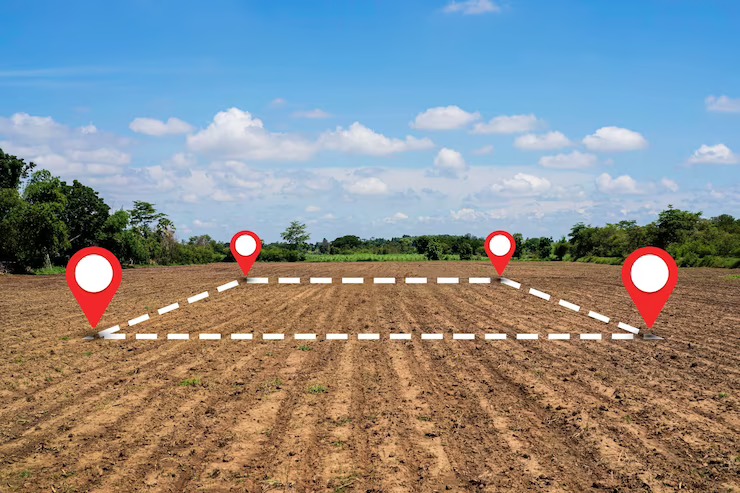
Zoning or rather land zoning, is the process of dividing land into different zones or areas to regulate the type of activities that can be carried out in each zone. This process is essential for land use planning and management, as it ensures that different land uses are appropriately located and compatible with their surroundings.
In Kenya, land zoning is governed by various laws and regulations that are aimed at promoting sustainable land use practices, protecting the environment, and ensuring that land use activities are carried out in a manner that is safe for both people and the environment. In this blog we will explore:
- What is zoning
- Types of zoning
- Importance of zoning
- Zoning Regulations in Kenya
- Zoning in urban planning
Types of Zoning in Kenya
There are three main types of zoning in Kenya namely residential, commercial and industrial. Each of them applies differently depending on the property in question.
- Residential
This type pertains to land parcels designated for constructing Single Family Residences (SFR), apartments or condominiums. This zoning also regulates home-based businesses. These are small-scale commercial activities operated within the residential premises, subject to local ordinances and government regulations set by the Small Business Administration.
- Commercial
Commercial zoning if for properties intended for business use. This zoning has distinct categories based on the type of business and the expected customer traffic. Some commercial zoning permits establishments like coffee shops and dental offices, while other areas are suitable for building shopping centers and hotels.
- Industrial
Provides a designated area for manufacturing plants and warehouses that generate noise or store hazardous materials. This zoning permits such industries to operate without endangering the surrounding residential areas.
Importance of zoning
County governments in Kenya use zoning as a tool for land use regulation. This is useful in helping to determine building permits, building heights, open spaces, oxidation area,s etc. This comes with numerous advantages both to the local government and residents of the area.
- Promotion of public safety and health
Zoning laws help in the prevention of hazardous land use near areas deemed as residential. It also ensures the construction of buildings meets safety standards and required height. Overall, this improves the health and safety of residents in a particular area.
- Protection of property values
When two properties are adjacent to one another and they have incompatible land uses, the property values are affected significantly. Therefore, regulating land use maintains the values of the property in any particular area.
- Managing growth
Planning is a critical role of the county government and this helps manage the pace and the kind of construction happening. For example, helping in the designation of commercial and residential areas thus limiting the number of high-rise buildings.
- Preservation of natural resources
Encroaching of natural resources such as forests and wetlands in rampant in many areas. As such, laws to protect these resources are a great need. Zoning laws help protect or environment and natural resources from human encroachment.
- Promotes economic development
The easiest way to promote development is to designate areas as either residential, commercial or industrial. County governments are well able to balance the needs of investors by allocating specific areas for specific developments thus leading to the overall growth of such areas, towns and cities.
Zoning Regulations in Kenya
The Kenyan Constitution, the Physical Planning Act, the Land Act, the Environmental Management and Coordination Act provide a legal framework on regulation of land use. They identify areas ideal for residential, commercial, industrial, agricultural and conservation zones. In addition, they come up with the regulations through a process that also involves the public.
The process of land zoning includes data collection and analysis, public participation, identification of land use zones, preparation of zoning regulations and guidelines, and implementation and enforcement of the zoning plan. The process is carried out by the relevant government authorities, including the Ministry of Lands and Physical Planning, the National Environment Management Authority, the county governments, and other relevant stakeholders.
Lastly, zoning of land helps in sustainable land use planning and management in Kenya. Across counties, each county has unique guidelines and regulations in line with its development goals. For example, Nairobi County has a Nairobi Zoning Map. Whereas there are challenges that come with zoning in urban planning, the benefits outweigh the downside.